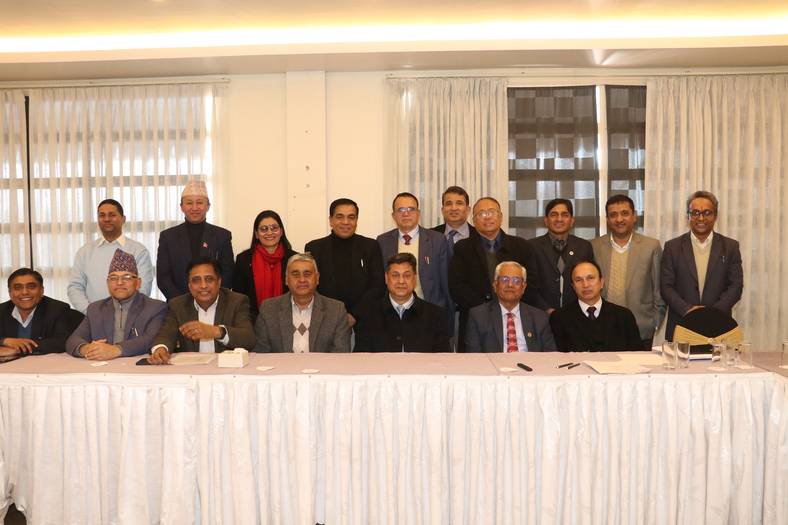

Tribhuvan University (TU) has successfully concluded a high-level policy discussion today titled '1% International Students in TU,' aiming at attracting foreign scholars to the university. Organized by the TU Centre for International Relations, the event focuses on transforming the university into a global academic hub by implementing a series of strategic reforms.
The event concluded with a commitment to draft an international student policy centered on upgrading infrastructure and ensuring the practical implementation of credit transfers. The policy focuses on prioritizing global networking, curriculum modernization, and strict adherence to the academic calendar. Additionally, it aims to enhance staff capacity, simplify admissions, and improve student life through dedicated international hostels, cafeterias, effective information management and a Student Support System.
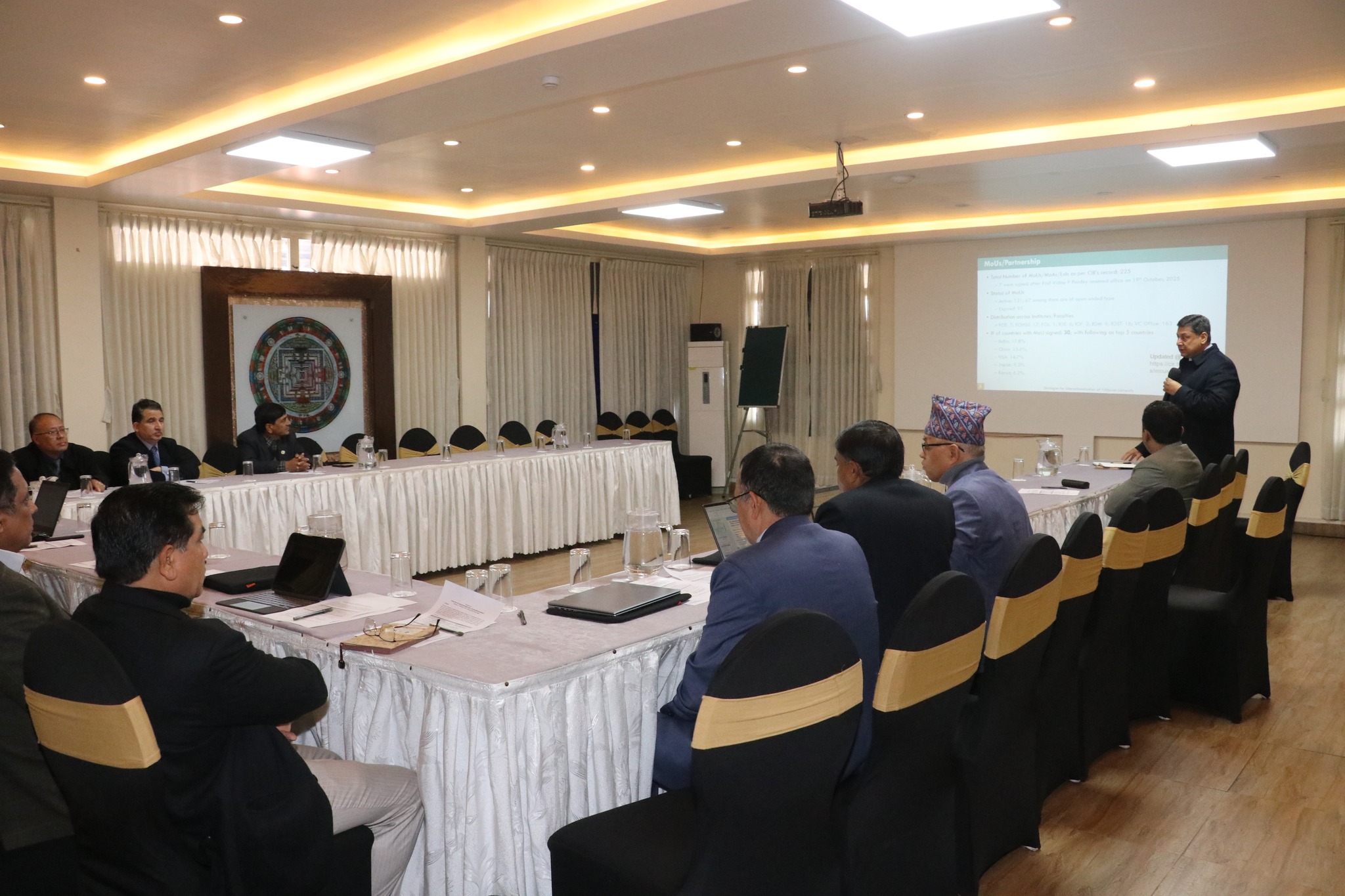
During the discussion, TU Vice-Chancellor Prof. Dr. Deepak Aryal highlighted that Nepal’s ideal climate and strong international relations make it a prime destination for foreign students. He emphasized that attracting global talent is essential for promoting the university’s international profile and the country's identity. He noted that while expanding enrollment, the university must carefully manage physical infrastructure, security, and geopolitical complexities in coordination with various Dean's offices.
Likewise, TU Rector Prof. Dr. Khadga K.C. highlighted that a secure environment and better infrastructure are vital for attracting foreign students. He emphasized the need to assess the country's national security and geopolitical situation, noting that the overall image of the nation and society must be reliable and credible. Furthermore, he noted the need to systematize the university's unstable educational environment and process-oriented administrative mechanism. He suggested that giving the Centre for International Relations the authority to handle visas, alongside collaborative policy planning, would be key to admitting international students.
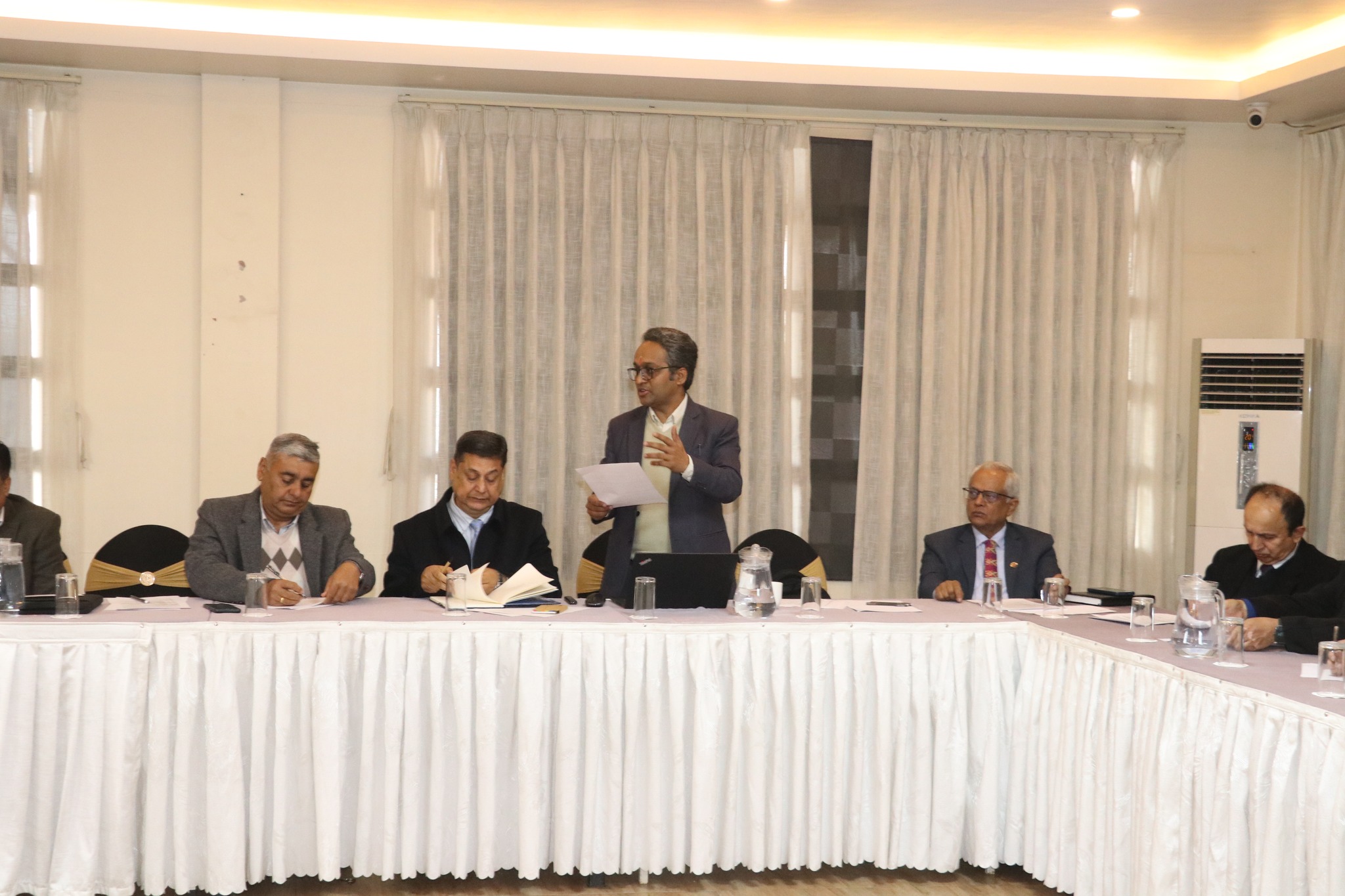
Similarly, TU Registrar Prof. Dr. Kedar Prasad Rijal expressed the view that the presence of international students would contribute positively to the country’s overall economy. He added that it would enhance interactivity among Nepali students, facilitate the exchange of educational and cultural aspects between countries, and ultimately improve the overall quality of education.
The event also featured detailed presentations from the Deans of all major institutes and faculties, including Medicine, Engineering, Agriculture, Law, and Management. These presentations covered current student numbers, financial status, and specific strategies to make their respective departments more attractive to international applicants. Prof. Dr. Bishnu Prasad Pandey, Executive Director of the Centre for International Relations, concluded the session by affirming that the university is now moving toward final policy decisions to ensure a welcoming and professional environment for the global student community.